The ocean’s top predators are in trouble
Sharks grow slowly and have few young, so heavy fishing hits them hard.
Half a century of decline
A 2021 study in Nature found that, since 1970, the number of oceanic sharks and rays had fallen by 71%, driven by an 18-fold increase in fishing pressure. Nature The same study found that three-quarters of the oceanic shark and ray species it looked at were threatened with extinction. Nature
How many sharks are caught?
A study estimated that people killed about 97 million sharks in 2010, with a possible range of 63 to 273 million that year. Wikipedia
Finning
Shark finning means cutting off a shark’s fins and throwing the rest of the shark back into the sea, often still alive. Many countries have banned it or require sharks to be landed whole. Wikipedia Finning grew from 1997, largely because of demand for shark fin soup and traditional cures. Wikipedia
A 2006 study of shark fin trade data estimated that 26 to 73 million sharks a year were being caught for their fins. Wikipedia
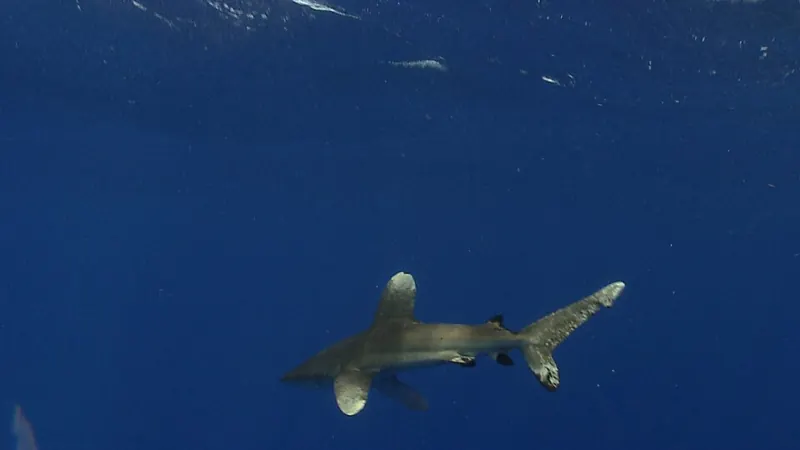
On the Red List
- In its 2019 assessment, the IUCN listed the oceanic whitetip as Critically Endangered. Wikipedia
- The angel shark (Squatina squatina), once common in the north-east Atlantic, was classified as Critically Endangered in 2010, and an IUCN assessment in 2019 confirmed that status. Wikipedia
- In 2019, the IUCN moved the shortfin mako up from Vulnerable to Endangered. Wikipedia
- In its 2016 assessment, the IUCN listed the whale shark as Endangered. Wikipedia
- In its 2019 assessment (updated in 2021), the IUCN listed the basking shark as Endangered. Wikipedia
- In its 2019 assessment (updated in 2022), the IUCN listed the great white as Vulnerable worldwide. Wikipedia
What helps
Support groups that study and protect sharks, such as the Shark Trust and the IUCN Shark Specialist Group. Record egg cases and sightings: citizen science adds real data. And share the real numbers about bites, so fewer people think sharks are monsters.