What makes a shark a shark
No bones, no swim bladder, skin made of tiny teeth and an endless supply of replacements. Sharks have been perfecting the design for a very long time.
No bones about it
Sharks are cartilaginous fish: their skeletons are made of cartilage, not bone, and they have five to seven gill slits on each side of the head. Wikipedia
Shark-like fish first appeared in the Devonian Period, between 419 and 359 million years ago. Wikipedia The earliest confirmed modern sharks are known from the Early Jurassic, around 200 million years ago. Wikipedia
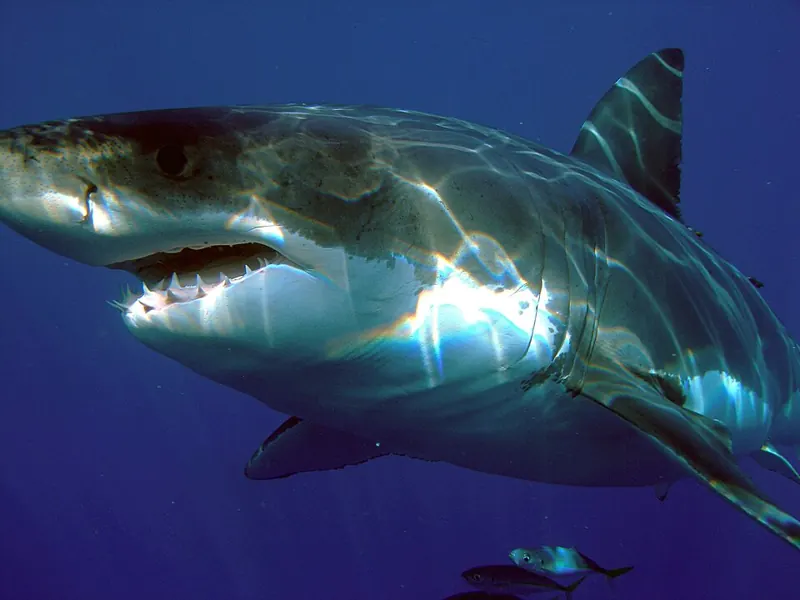
Skin like sandpaper
Shark skin is covered in placoid scales, also called dermal denticles, which protect the skin and help water flow past. Wikipedia
Teeth on a conveyor belt
Sharks have numerous sets of replaceable teeth. Wikipedia A great white shark has around 300 teeth, arranged in rows like a conveyor belt; teeth at the back move forward to replace the front ones. Wikipedia
Sharks shed their teeth all the time; some ground sharks shed about 35,000 teeth in a lifetime. Wikipedia Sharks are known to lose at least one tooth a week. Wikipedia
Floating without a swim bladder
Unlike bony fish, sharks have no gas-filled swim bladder. They stay buoyant with a big, oily liver and cartilage that is about half as dense as bone. Wikipedia A shark’s liver can make up to 30% of its body mass. Wikipedia
Sand tiger sharks gulp air at the surface and hold it in their stomachs, using it like a swim bladder. Wikipedia Bottom-dwelling sharks such as the nurse shark are heavier than water, so they can rest on the sea floor. Wikipedia
Gills and breathing
Unlike other fish, sharks don’t have a cover over their gill slits; the slits sit in a row behind the head. Wikipedia A modified gill slit called a spiracle sits just behind the eye and helps some sharks take in water. Wikipedia
Not all sharks have to keep swimming to breathe, but they all need water flowing over their gills. Wikipedia Whitetip reef sharks spend much of the day resting in caves. Unlike most of their relatives, they can pump water over their gills while lying still. Wikipedia
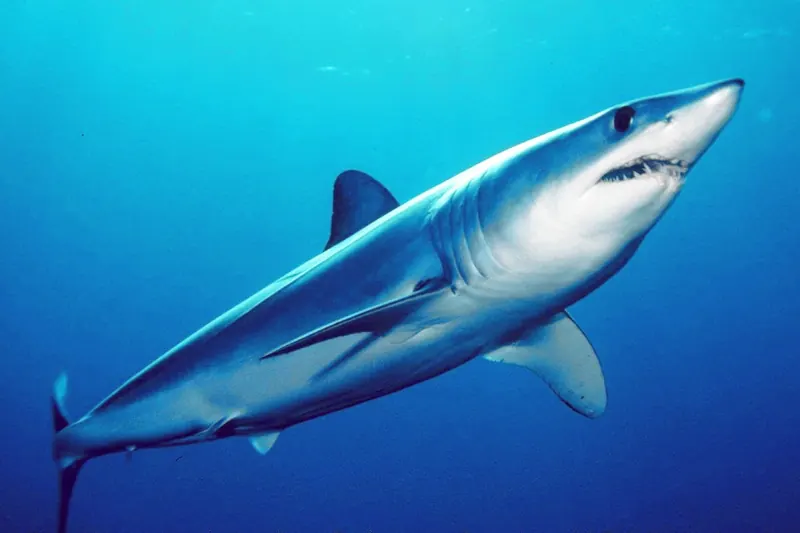
Warm-blooded(ish)
Great whites are partly warm-blooded, which helps them stay active in cold water. Wikipedia A heat-exchange system keeps a mako 4 to 5.5 °C warmer than the water around it. Wikipedia
Next: super senses →